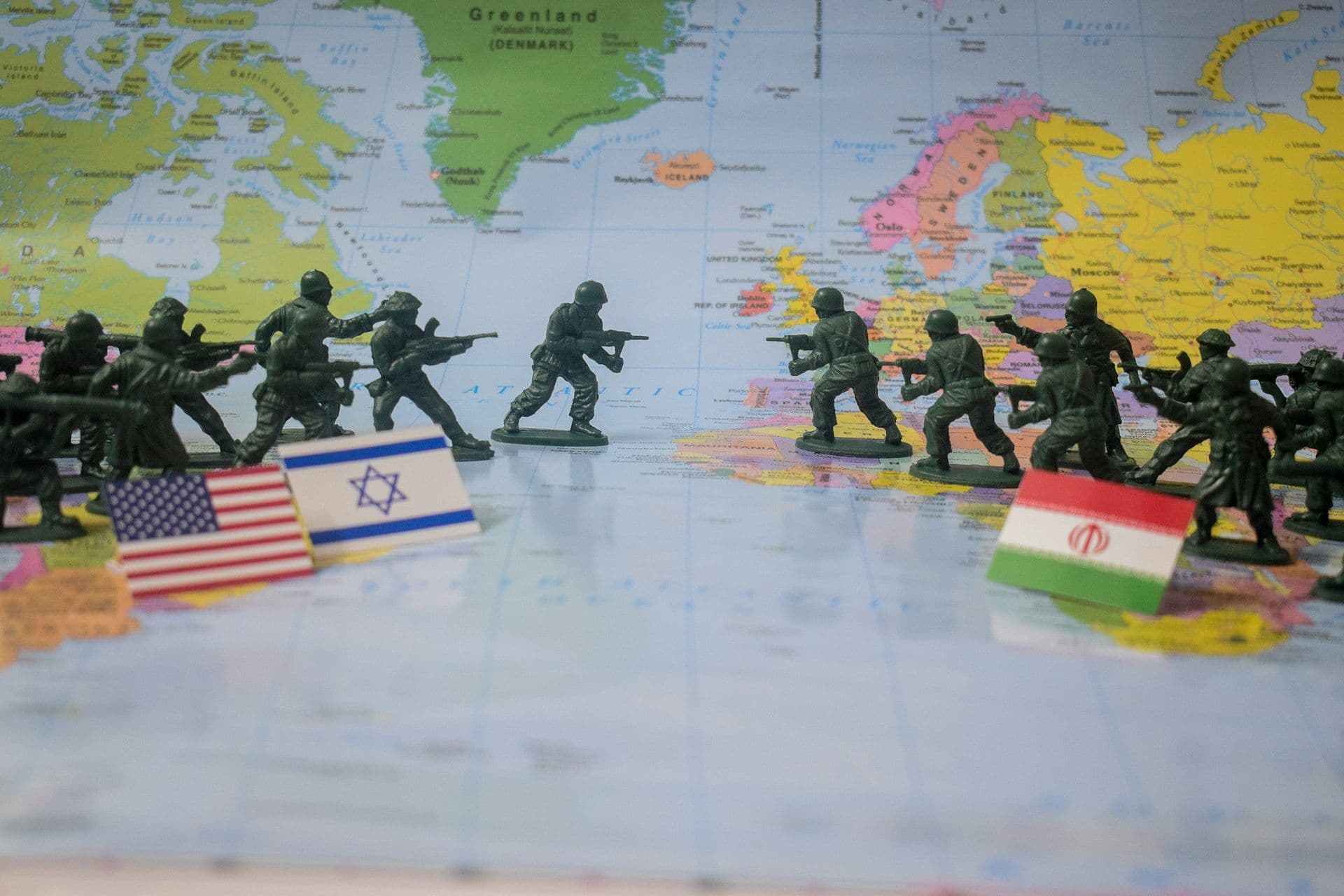
Tensions Escalate in the Middle East as Iran-Israel Conflict Enters New Phase
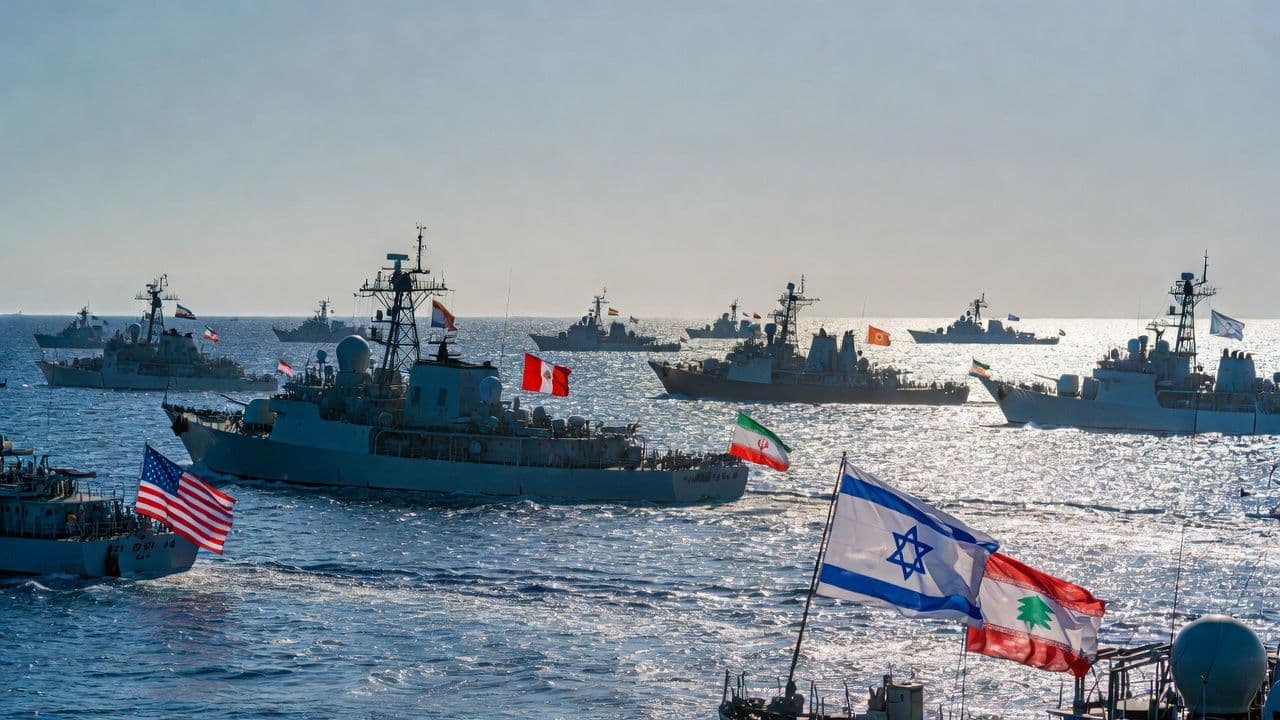
Tehran, Iran – April 22, 2026 – In a dramatic turn of events, Iranian state media reported early Wednesday that Israeli airstrikes targeted several military installations near Isfahan, prompting immediate retaliation from Iranian forces. This marks the latest escalation in what analysts are calling the "ongoing shadow war" between the two nations that has spilled into open conflict.
According to officials in Tehran, the strikes resulted in limited damage to underground facilities believed to be part of Iran's missile program. Iranian Supreme Leader Ayatollah Ali Khamenei condemned the attack in a televised address, vowing a "crushing response" and stating that "the Zionist regime will regret this aggression."
Israeli officials have remained largely silent, with the IDF issuing only a brief statement: "We do not comment on foreign reports." However, sources close to the Israeli government suggested the strikes were preemptive, aimed at disrupting Iran's advancing nuclear capabilities and its support for proxy groups like Hezbollah and the Houthis.
Key Developments:
- Iranian Retaliation: Within hours of the reported strikes, Iran launched a barrage of drones and ballistic missiles toward Israeli territory. Israeli air defenses, including the Iron Dome and Arrow systems, intercepted the majority of the projectiles, with minimal reported casualties on the ground.
- Regional Involvement: The United States has deployed additional naval assets to the Persian Gulf, with Pentagon officials confirming the move was to "protect freedom of navigation" and deter further escalation. Saudi Arabia and the UAE have called for an emergency meeting of the Arab League.
- Nuclear Concerns: International Atomic Energy Agency (IAEA) inspectors expressed alarm over recent satellite imagery showing increased activity at Iran's Fordow and Natanz facilities. U.S. intelligence estimates suggest Iran could be weeks away from producing weapons-grade uranium if it chooses to break out.
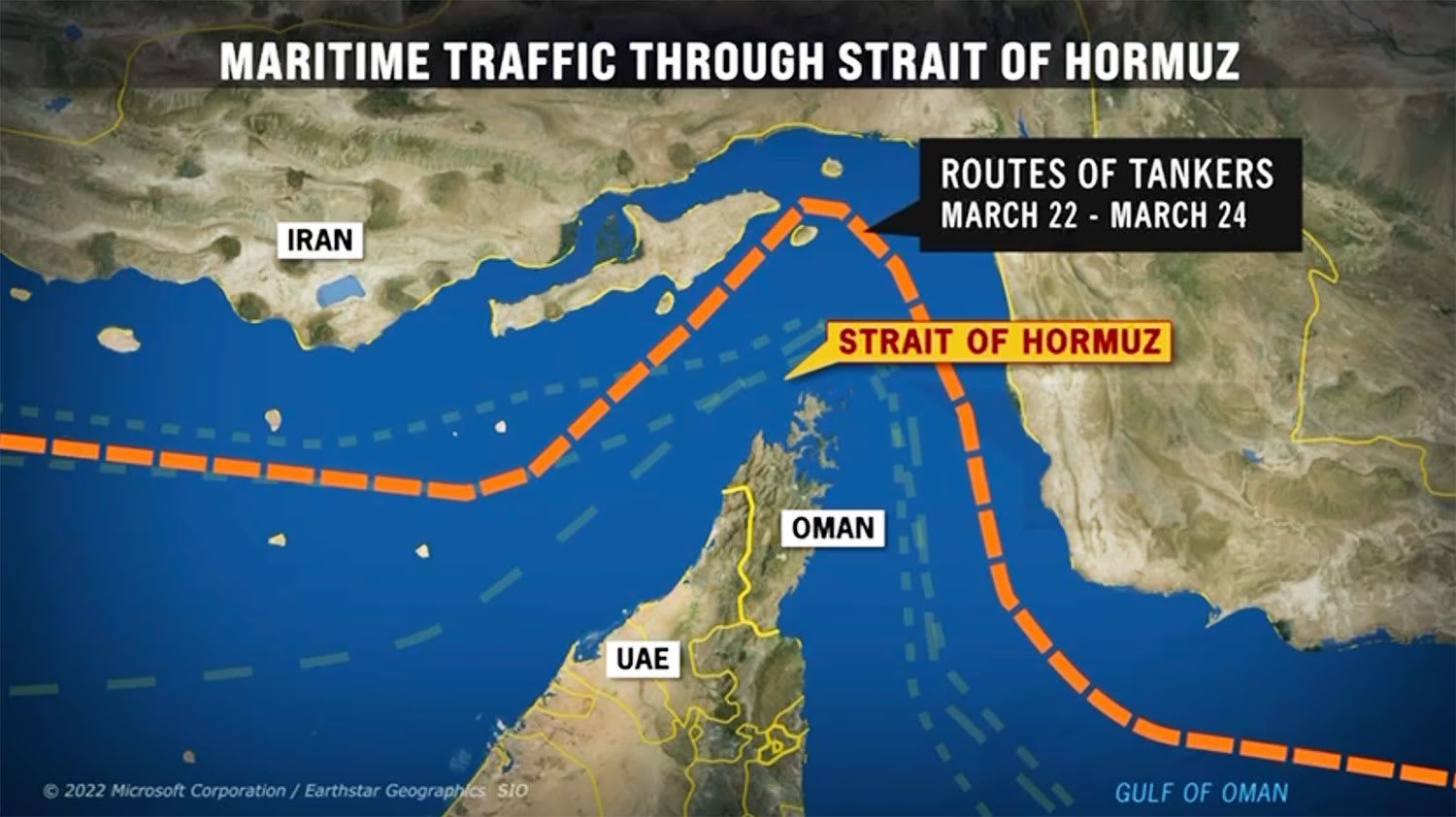
Global markets reacted sharply to the news, with oil prices surging more than 8% in early trading as concerns mounted over potential disruptions to Strait of Hormuz shipping lanes. Brent crude hit $98 per barrel before settling slightly lower.
International Reactions:
- United Nations: Secretary-General António Guterres urged "maximum restraint" from all parties and called for an immediate de-escalation.
- Russia and China: Both nations condemned the Israeli actions, with Russian President Vladimir Putin offering diplomatic support to Iran. China called the strikes "unacceptable" and pushed for a return to the JCPOA nuclear deal framework.
- European Union: EU foreign policy chief described the situation as "highly volatile" and announced new humanitarian aid packages for civilians affected in the region.
Analysts warn that this could be the beginning of a broader regional war, potentially drawing in more actors. "The cycle of retaliation has accelerated," said Dr. Elena Rossi, a Middle East expert at the International Crisis Group. "Without swift diplomatic intervention, we risk a full-scale confrontation that could reshape the entire Middle East."
This is a developing story. Updates will be provided as more information becomes available.
Disclaimer: This is a fictional, dummy article created for illustrative purposes only. All events, statements, and details are entirely made up and not based on real-world occurrences.
More in Current Affairs